
The Recent Resurgence Of Rosé Wine
Article published Feb 24, 2026
Article by David Adamick - Online, Mr.Wheeler Wine
Côtes de Provence Rosé: The Driving Force Behind the UK’s Rosé Revival
Rosé is no longer a seasonal afterthought. In the UK, we’ve watched it become one of the most consistently growing wine categories — and at the centre of that growth is Côtes de Provence.

Modern drinkers now associate quality rosé with a dry, elegant style, pale colour and reliable freshness. Provence, and particularly the Côtes de Provence appellation, has long — and effectively — defined that benchmark. For many, this region sets the expectation for what premium rosé should taste like.
What makes Côtes de Provence rosé so popular?
Historically, rosé struggled with an overly fruity, extracted image. But today’s Provençal examples are firmly dry, precise and very food-friendly. Produced primarily from blends of grenache, cinsault and syrah — often with vermentino — they are harvested early to retain acidity and freshness. Careful temperature-controlled winemaking and limited skin contact create the pale salmon hue now synonymous with the region.
The very pale shade typical of Côtes de Provence is a stylistic choice reflecting minimal extraction and a focus on balance.
Provence also offers consistency. Its Mediterranean climate allows reliable ripening, while established appellation standards maintain quality. This combination has made Côtes de Provence rosé a dependable choice at multiple price points — from everyday drinking to more premium, estate-driven bottlings.
Not just for summer
While rosé is often associated with warm weather, Provençal styles are, in fact, for year-round enjoyment owing to their easy-drinking dry profile, moderate alcohol, and versatility across a range of culinary options.
Côtes de Provence rosé pairs comfortably with:
Grilled fish and seafood
Mediterranean salads and vegetable dishes
Light poultry and charcuterie
Tomato-based cuisine
All manner of cheeses
This is why increasingly, Côtes de Provence is positioned alongside white wine rather than as a seasonal alternative.
The shift in UK buying habits
The UK market has moved towards recognisable regional cues when purchasing rosé. Rather than choosing based purely on grape variety, consumers often look for “Provence” or “Côtes de Provence” on the label as a shorthand for dryness and quality — and perhaps a touch of prestige.
This trend is one that we at Mr.Wheeler Wine continue to accommodate with outstanding quality and depth within the category. Because a focused selection — our selection — provides assurance and thus encourages customers to trade up within a trusted regional style.
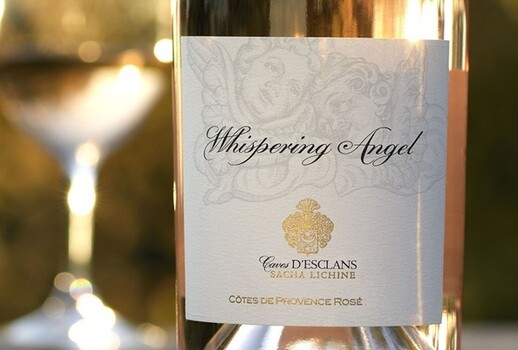
Côtes de Provence at Mr.Wheeler Wine
At Mr.Wheeler Wine, rosé is not treated as a peripheral category. Our range is centred specifically on Côtes de Provence and its leading sub-appellations, offering customers clarity and confidence when selecting.
Explore our latest selection already assembled for seasons soon to come and where you’ll find:
Accessible everyday options, starting just under £13
Mid-range estate selections offering greater structure and definition
Premium cuvées suitable for entertaining or gifting
This tiered approach lets customers remain within a recognised regional style while adjusting their budget or occasion. Whether you are restocking for casual drinking, planning a gathering, or selecting a more refined bottle for dinner, the structure of the range simplifies decision-making.
By concentrating on Provence rather than scattering across numerous unrelated rosé regions, the selection reflects current UK demand and provides a coherent offering.
Variations on a theme
It’s also worth noting that within the greater stylistic category are other appellations which, though perhaps not being specifically ‘Côtes de Provence’, will still hail from the greater Provençal environs while featuring the same qualities for which this style is so sought after.
IGP Méditerranée
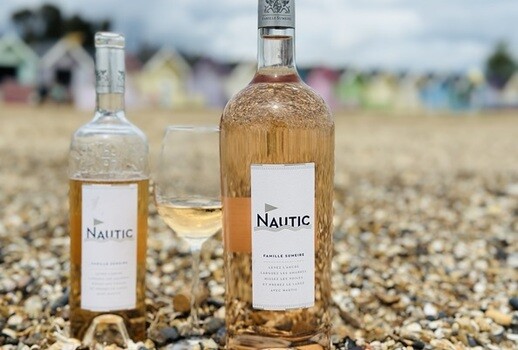
One example is the IGP Méditerranée. Here, the Indication Géographique Protégée covers vineyards across the Mediterranean coastline, including parts of Provence, Languedoc and the Rhône Valley, and allows winemakers greater flexibility than stricter AOC rules. Wines labelled IGP Méditerranée are typically fresh, fruit-driven and approachable, often offering excellent value while still reflecting the warm, sun-drenched character of southern France.
You can enjoy this excellent value for just under £13 a bottle via the 2024 Nautic Rosé, Famille Sumeire, IGP Méditerranée.
Coteaux d'Aix-en-Provence
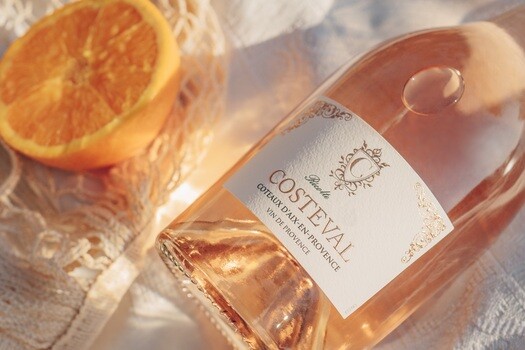
By contrast, there are smaller, more exclusive, site-specific AOCs under the Côtes de Provence umbrella. The Coteaux d'Aix-en-Provence, for example: nestled in the heart of the Alpilles mountain range, here vineyards are exposed to both abundant sunshine and the cold, dry Mistral wind. Where, in rugged conditions, grenache, syrah and cinsault vines planted in stony, clay-limestone soils typically render rosé cuvées offering delicate yet concentrated lime zest, wild strawberry and red fruit flavours.
And one cuvée delivering these flavours aplenty is the 2024 Costeval Rosé, Maison Ravoire, Coteaux d'Aix-en-Provence, which, at just shy of £16, also offers outstanding value for money.
Other sub-apellations to look out for are the Coteaux Varois-en-Provence and Côtes de Provence Sainte-Victoire.
A category that has matured
Rosé’s growth in the UK is no longer driven by novelty or social media trends. Its sustained popularity is rooted in improved winemaking standards, consistent regional identity and food versatility.
Côtes de Provence has emerged as the reference point — and as importers offering a strong, clearly structured Provençal selection, we at Mr.Wheerer Wine are well placed to ensure you experience the utmost in Provençal-rose-drinking pleasure.
Whether you are discovering the category or refining your preferences within it, here you can do so with confidence — across multiple price points and occasions.
-- David Adamick, Mr.Wheeler Wine
MORE ARTICLES YOU MAY BE INTERESTED IN
What Wines Work Best for a Dinner Party?
READ ARTICLE >
Oct 05, 2026
Corporate Wine Gifts UK: The Complete Guide
At Mr. Wheeler Wine, we’ve always believed that a gift should feel like it was chosen, not simply purchased. The bottles you send to clients and...
READ ARTICLE >
Aug 12, 2026