
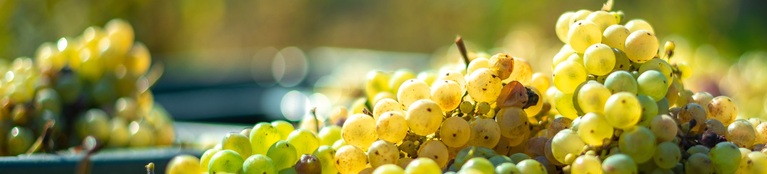
English sparkling wine is produced primarily in southern England, where climate and soil conditions are well suited to traditional-method sparkling wine. Typical flavour profiles include green apple, citrus and orchard fruit, supported by high acidity. With time on lees, many examples develop secondary notes such as brioche, almond and light honeyed tones.
The cool climate of southern England encourages slow ripening, helping grapes retain acidity while developing flavour at lower sugar levels. Many vineyards are planted on chalk and limestone soils, which are geologically similar to those found in Champagne and contribute to the fresh, mineral-driven character often associated with English sparkling wine.
Production focuses largely on the classic Champagne grape varieties: Chardonnay, Pinot Noir and Pinot Meunier. Chardonnay often provides structure and freshness, while Pinot Noir and Pinot Meunier contribute body and fruit character. Grapes are commonly hand-harvested, and wines are made using the traditional method, involving secondary fermentation in bottle.
For those new to English sparkling wine, non-vintage cuvées offer an accessible introduction, typically emphasising freshness and balance. More experienced drinkers may wish to explore vintage wines or Chardonnay-led bottlings, which can show greater depth and benefit from extended ageing.