
What’s the Best Serving Temperature for White Wine?
Article published Jun 17, 2026
Our White Wine Serving Temperature Guide
Now that the warmer, longer days have arrived, it's ever more reason to ensure you're optimising your white-wine drinking pleasure. And when it comes to enjoying white wine at its best, temperature is everything. So, to help you get the most from every bottle, here’s a practical guide to serving temperatures, along with ideal food pairings from the Mr.Wheeler range.
Rule of Thumb
The ideal serving range generally sits between 6–13°C — though the exact point depends on the style in your glass. Body and weight are the key factors here.
Lighter, crisper, more vibrant wines — think fresh riesling or sauvignon blanc — are at their most expressive when served well chilled, around 7–10°C. These cooler temperatures heighten acidity and texture, delivering a cleaner, more refreshing drinking experience.
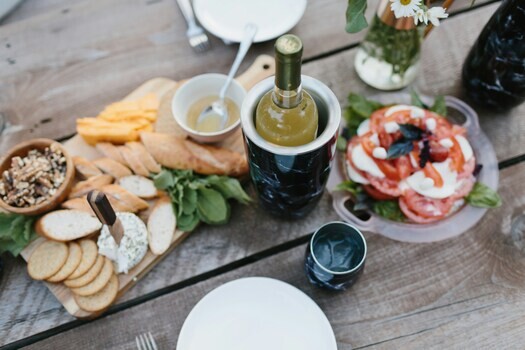
By contrast, fuller-bodied or more mature whites offer greater aromatic and flavour complexity, which can be dulled if over-chilled. Chardonnay and viognier are prime examples, and show far better at a slightly warmer 10–13°C. At this range, their depth of flavour is preserved, while still retaining freshness and lift.
Sparkling wines, meanwhile, benefit from a proper chill. Serving champagne, cava or prosecco between 6–10°C sharpens their brightness and enhances their effervescence — exactly what you want from a glass of fizz.

Does Oak Influence Serving Temperature?
Indeed it does. As a general guide, richer, creamier, spicier oaked white wines perform better at the warmer end of the spectrum, rather than being served too cold.
You can often tell if a wine has seen oak by its aromas and flavours. Buttery, toasty, bready or subtly spicy notes point towards oak influence, while fresher, fruit-driven profiles — pear, citrus, apple, grapefruit, mango or pineapple — typically indicate little to no oak.
A dry, classically styled riesling such as our Riesling 'Cuvée René Dopff' is best served at around 8°C. At this temperature, it pairs beautifully with roasted pork, aromatic duck or fragrant Thai green curry.
Similarly, a more complex sauvignon blanc like our Pouilly-Fumé, Domaine des Fines Caillottes, shines at the same temperature — the perfect partner for lobster, prawns or scallops.
If you prefer a slightly off-dry, medium-bodied white, our pinot gris (Pinot Gris, Dopff & Irion) is an excellent choice. Serve just a touch warmer at 9–10°C, where it complements roasted chicken, pork tenderloin or quiche.
For unoaked chardonnay, we recommend Domaine Talmard's Mâcon-Uchizy, which reveals its full character at around 10°C. Sushi, lobster and prawns all come into their own alongside it.
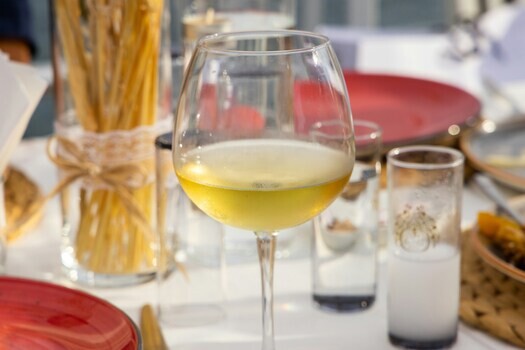
Viognier also performs well at a similar temperature. Our white, Southern Rhone viognier blend 'La Source' by Domaine Mourchon is another standout, pairing effortlessly with richer dishes such as poached salmon or roast chicken. Meanwhile, for oaked styles such as Domaine Gonon Pouilly-Fuissé 'Vieilles Vignes', serve closer to 12–13°C. Here, the added warmth supports bolder pairings like grilled meats, pork dishes and stronger cheeses.
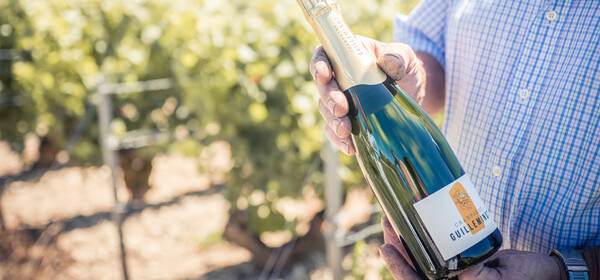
Sparkling wines, of course, should always be properly chilled. Champagne Guilleminot’s Brut Tradition is ideal at 7–8°C with oysters, shellfish or goat’s cheese. For maximum refreshment, crémant is best served even cooler at around 6°C — perfect with canapés, fresh salads or light pasta dishes.
Can White Wine Be Over-Chilled?
Can it ever. More often than not, it is.
Over-chilling suppresses a wine’s aromatics and mutes its fruit, floral and spice characteristics. What remains is often just acidity, leaving the wine feeling sharp and one-dimensional. In effect, you lose what makes the wine worth drinking in the first place.
In fact, over-chilling can diminish even the finest bottles — making it, quite simply, a waste of good wine.
A better rule of thumb? Slightly under-chill. You can always let a wine warm gently in the glass, but once its character is masked by excessive cold, it’s much harder to recover.
How Long Should You Chill White Wine?
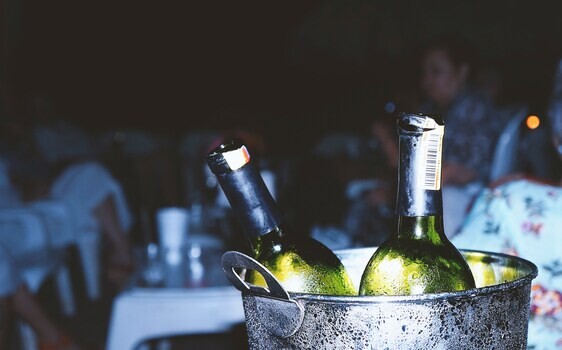
The best approach is gradual. Around 20–30 minutes in the fridge is usually sufficient — enough to make the bottle cool to the touch, rather than ice-cold.
For example, if you’re bringing a Mâcon-style white to its ideal 11°C, 20 minutes should do the job. For something lighter and more refreshing, such as a pinot grigio or a white Bordeaux blend, allow closer to 30 minutes.
Sparkling wines require a little longer — around 40 minutes — to reach that perfect, crisp 6–7°C. Resorting to the freezer should be a last-minute fix only.
Discover White Wines at Mr.Wheeler
Explore our carefully curated selection of white wines from France, Italy, New Zealand, South Africa and beyond, where every bottle reflects the dedication and craft of artisanal winemakers.
From the zesty precision of sauvignon blanc to the richness of sémillon, our range showcases expressive styles at genuinely competitive prices. For a broader introduction, our mixed cases offer a convenient way to experience the diversity and quality that define the Mr.Wheeler portfolio.
-- David Adamick, Mr.Wheeler Wine
MORE ARTICLES YOU MAY BE INTERESTED IN
Corporate Wine Gifts UK: The Complete Guide
At Mr. Wheeler Wine, we’ve always believed that a gift should feel like it was chosen, not simply purchased. The bottles you send to clients and...
READ ARTICLE >
Aug 12, 2026
How to Choose the Perfect Wine Gift
READ ARTICLE >
Apr 17, 2026
An Introduction to Global Grapes
READ ARTICLE >
Apr 16, 2026
Wines to Enjoy this Easter
READ ARTICLE >
Mar 18, 2026