
10 Wine Trends to Watch in 2026
Article published Jan 08, 2026
Heads up, wine lovers: now that the new year has landed, here’s what coming trends our ears-to-the-ground have told us you should look out for in 2026.
Ten in total, all tailored to curious online customers looking to discover new and unique flavours, responsible winemaking practices, and untapped provenance. This year, these include the usual categories of trending varietals and emerging regions, as well as a nod to stylistic preferences, alcohol levels and… you guessed it — AI.
1. Trending grape varietals
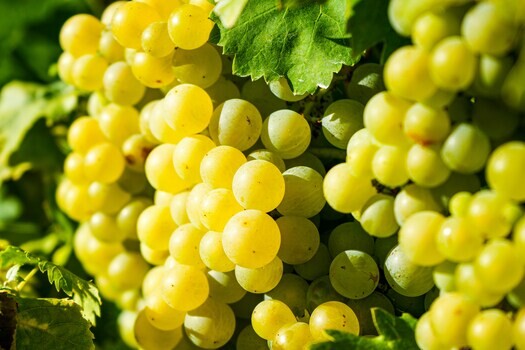
Drinkers’ curiosity seems destined to be dominated by white varietals. Further to this is an emerging interest in more local, indigenous varietals such as Sicily’s nerello mascalese, as well as in climate-resistent varietals (i.e. heat/drought resistant) such as grenache (garnacha) and fiano.
Albariño
Aromatic yet restrained, Albariño is prized for its zesty citrus, stone fruit and saline freshness, making it a natural partner for seafood and lighter dishes. Naturally high acidity allows it to thrive in warm, coastal climates without losing precision. Its rise reflects growing demand for vibrant, food-friendly whites with a strong sense of place.
Assyrtiko
Assyrtiko delivers striking acidity and mineral intensity even in extreme heat, combining citrus, smoke and saline notes with real structure. Originally from Santorini, it has become a benchmark for climate-resilient whites that feel both serious and refreshing. Its appeal lies in tension, texture and longevity rather than overt fruitiness.
Chenin Blanc
Originally from the Loire Valley (where Vouvray is one of its more famous appellations) with fresh floral and crisp, fresh, fruity, spicy apple/orchard fruit character. Depending on the region that the grapes were grown in it can be dry or off-dry in style and often has a remarkably long ageing potential owing to its naturally high level of acidity.
Vermentino
Fresh, aromatic and subtly textured, Vermentino combines citrus, herbal and lightly saline notes with refreshing acidity. Naturally resistant to heat and drought, it thrives in Mediterranean climates while maintaining lift and clarity. Its popularity is driven by demand for crisp, summer-ready whites with character and versatility.
Grenache
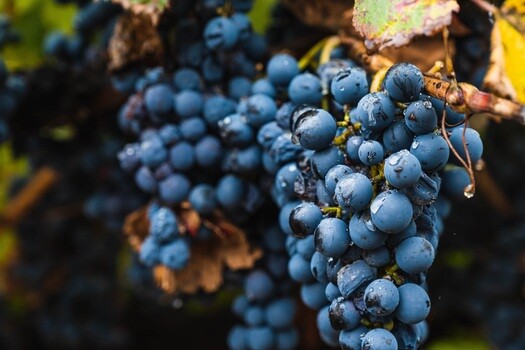
Originally of Spanish origin (where it is garnacha), grenache red wine is one of the world's more widely planted varietals and, being a late ripener, thrives in conditions hot and dry. It plays a major role across the entire south of France, featuring prominently in the wines of southern Rhône, Languedoc, Roussillon, Provence, and naturally in those across much of the Iberian Peninsula.
Nerello Mascalese
Often likened to Pinot Noir or Nebbiolo, Nerello Mascalese offers pale colour, fine tannins and layered red fruit, spice and volcanic minerality. Grown on the slopes of Mount Etna, it excels in hot conditions moderated by altitude. Its growing popularity reflects a shift towards elegant, terroir-driven reds over sheer power.
For more info on grape varietals in general, check out our updated guide here.
2. Lighter, More Approachable Styles
Refreshing, easy-drinking wines — lighter, fruitier reds, off-dry whites and sparkling options are what mid-range buyers increasingly prefer:
Lighter-bodied reds (like pinot noir, Beaujolais [gamay] and grenache) work beautifully with a range of foods and are perfect for informal occasions.
Sparkling wines beyond Prosecco — such as premium Cava and dry Lambrusco — are becoming daily staples, not just celebratory libation.
3. Low-Alcohol/Non-Alcoholic Wines
Driven by wellness and moderation trends, low- and no-alcohol wines are increasingly flavoursome, authentic, and enjoyable, moving well beyond the basic de-alcoholised options of the past. Producers are now creating appealing alternatives that appeal to both non-drinkers and social sippers.
4. Value-Driven Exploration
With classic regions driving premium pricing, more curious and endeavouring consumers are swapping pricey names for off-piste finds — exploring high-quality producers from Portugal, Austria, Greece, Chile and beyond. These offer excellent flavour and value without tradition-driven price tags.
5. Sustainability
Sustainable and regenerative viticulture has moved from niche to mainstream. Organic, biodynamic and eco-conscious wines resonate particularly with consumers who care about environmental impact, such that many will pay a premium for bottles that align with their values.
6. Hyper-Local & Emerging Regions
Contrary to a routine default to ‘classic regions’ — and much in tandem with drinkers increasingly seeking out lesser-known indigenous varietals — many are exploring hyper-local and emerging wine areas — urban wineries, micro-regions and non-traditional terroirs that offer compelling stories and fresh profiles.
7. Skin Contact / Minimal-Intervention Wines
This is also somewhat aligned with a growing interest in skin-contact wines (amber/orange styles) and minimal-intervention/low-intervention wines, which are increasingly featured in artisan portfolios. These wines showcase texture, terroir and natural character, making them ideal for curious drinkers seeking something distinct.
8. Wines with a Story & Transparent Production
Consumers today want more than just ‘good juice’. They want authenticity and provenance. Labels that clearly show farming methods, sustainability practices, and even carbon footprint build trust and emotional connection. QR codes and smart labels help tell these stories right at the shelf.
9. Experience-Oriented Purchasing
More and more, wine for drinkers goes beyond just the bottle. It's about the moment. Experiences like virtual tastings, storytelling labels, pairing recommendations and immersive winery content are shaping how consumers discover and select bottles.
10. Tech-Enabled Personalisation
AI-boosted wine recommendations, personalised offerings and digital label experiences are becoming more common — helping online wine buyers find the perfect bottle with confidence, even if they’re outside their usual comfort zone.
What It Means
For consumers who enjoy artisan, characterful wines rather than generic supermarket bottles, 2026 looks destined to be a year of discovery, sustainability and sensory adventure. (What it should always be about, we’d argue!) Whether you’re dipping into lesser-known grapes, exploring low-alcohol options, or prioritising environmental credentials, it seems there’ll be more choice— and more stories — to look forward to.
-- David Adamick, Mr.Wheeler Wine online
MORE ARTICLES YOU MAY BE INTERESTED IN
What Wines Work Best for a Dinner Party?
READ ARTICLE >
Oct 05, 2026
Corporate Wine Gifts UK: The Complete Guide
At Mr. Wheeler Wine, we’ve always believed that a gift should feel like it was chosen, not simply purchased. The bottles you send to clients and...
READ ARTICLE >
Aug 12, 2026