
Wine Varietals: Complete Guide 2026
Article published Apr 22, 2026
Article by David Adamick - Online, Mr.Wheeler Wine
People new to tasting wine are often confused by its labelling, for the amount of specific terminology it features poses difficulties in understanding a wine’s characteristics.
Among its many terms is ‘varietal’. In this article we shed a bit of light on the meaning of the term, its history and the most popular wine varietals. Read on to learn more about what's what in the world of grapes.
What does varietal mean?
Wines are described as either varietal or blended. Although it sounds similar, varietal does not mean variety. A varietal wine is one that’s made from a single grape variety and bears the name of that grape. For a wine to be considered varietal, it must have in it at least 85% of the wine grape listed on its label (75% in the USA). By contrast, a blended wine is one that contains a mix of two or more different grape varieties.
History of wine varietals
The term first came into general use in California following Prohibition. It allowed consumers to gain precise information about the grapes that went into the wine they were purchasing. It proved popular and was soon applied to other New World wines. It is now commonly applied to European wines, although in many cases accompanied by further information on the region and even the vineyards from which the grapes have been sourced..
Many factors can influence and vary the flavour profile among varietal wines, thus rendering markedly different expressions of the same grape. Growing conditions, winemaking methodology and maturation processes count among the factors that make wine tasting such a varied experience. However, there are still typical varietal characteristics that remain constant, which is why a wine shows them with particular emphasis, it is often referred to as having ‘typicity’, or being ‘varietally true’.
Most Popular Wine Varietals
Of the more than 10,000 wine grape varieties found around the world only a few dozen have gained sufficient popularity for them to be considered ‘international varietals’. Grapes which, despite their European origins, are now grown globally:
White
- Chardonnay – For many, chardonnay is the noblest of all white varietals and on a global scale, undoubtedly the most widely planted. Few, if any, have the potential for such breadth of expressive possibilities or reach such heights of sophistication and complexity. We offer a comprehensive range of examples showcasing this expression and sophistication, starting in chardonnay’s historic heartland, Burgundy. From exquisite Cru and Village Chablis to artisanal Bourgogne Blanc, from the luscious cuvées of the Mâcon and Côte Chalonnaise to the deliciously complex Premier Cru cuvées of the Côte d’Or, here is this noblest varietal as its most loved.
Elsewhere, those with a penchant for more sumptuous New World styles can indulge in superb craftsmanship and irresistible value for money found in South Africa, Argentina, Chile, and New Zealand. Whether you prefer the precision of a cool-climate style or the opulence of sunnier climes, you’ll find your full chardonnay experience here.
- Sauvignon blanc – For many, this versatile, aromatic native of France’s Loire Valley reaches its expressive peak in the world-renowned appellations of Sancerre and Pouilly Fumé. For here is sauvignon blanc at its utmost elegant in wines showing distinctive minerality, crisp acidity, and vibrant flavours of citrus, green apple, freshly cut grass and often subtle, smoky nuance.
Over the past 20 years, however, New Zealand has played a pivotal role in catapulting the varietal to international acclaim. Indeed, the cool climate and abundant sunshine of the southern island’s Marlborough region produces intensely aromatic wines bursting with zesty, tropical fruit flavours, fresh herbaceousness, and juicy acidity. As such, the ‘Kiwi’ style has since captivated global palates, driving the grape's popularity and establishing it as a staple among white wines of the world.
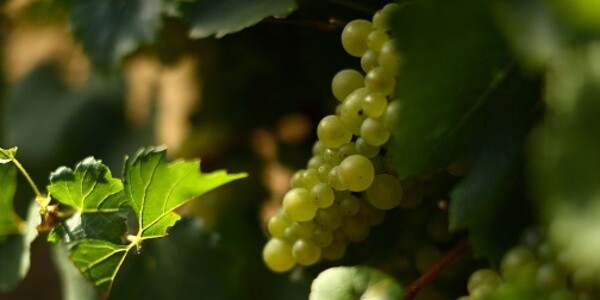
- Riesling – Riesling is considered one of the ‘noble’ white grape varietals, one renowned for its aromatic intensity and exceptional ageing potential. Its heartland is in the Rhinelands of Germany and thrives in cool climates, where it develops a unique balance of bright acidity and expressive fruit flavours. Riesling is also exceptional in its versatility since it can be produced in a broad spectrum of styles ranging from bone-dry to lusciously sweet, with each expression highlighting its distinctive characteristics.
Typical flavours will include green apple, citrus, and stone fruits, often complemented by floral, stone fruit and trademark ‘petrol’ aromas. High acidity and inherent sugar levels constitute its ageing potential, by which it develops in the fullness of time intriguingly complex secondary and tertiary flavours. Among the world’s finest are found in Germany's Mosel, Pfalz and Rheingau, as well as in Austria and Alsace in eastern France. New World equivalents are found in Australia’s Clare and Eden Valleys, in New Zealand Otago region, and in California and New York State.
- Chenin Blanc – Originally from the Loire Valley (where Vouvray is one of its more famous appellations) with fresh floral and crisp, fresh, fruity, spicy apple/orchard fruit character. Depending on the region that the grapes were grown in it can be dry or off-dry in style and often has a remarkably long ageing potential owing to its naturally high level of acidity.
- Sémillon
Sémillon is a versatile white grape best known for its role in the great sweet wines of Bordeaux, particularly Sauternes, where it is susceptible to noble rot (Botrytis cinerea), concentrating sugars and flavours. In dry styles, often blended with sauvignon blanc, it offers a waxy texture and notes of lemon curd, lanolin and subtle honey. With age, it develops complex toasty, nutty characteristics. It also plays a pivotal role in the dry white wines of Bordeaux, more specifically in the Graves/Pessac-Léognan appellations. Australia’s Hunter Valley has also made Sémillon its own, producing distinctive, long-lived wines with low alcohol and remarkable freshness that evolve beautifully over time.
- Pinot Meunier
Often overshadowed by its more famous Champagne counterparts, Pinot Noir and Chardonnay, Pinot Meunier is nonetheless a key component in many sparkling blends. It ripens earlier and is more frost-resistant, making it particularly valuable in cooler vintages. In Champagne, it contributes approachability, soft fruit and roundness, with flavours of red apple, pear and light spice. Increasingly, it is also being championed as a single-varietal wine, both sparkling and still, where it shows a charming, fruit-forward profile and a supple, easy-drinking character.
- Viognier
Viognier is an intensely aromatic white grape, most famously grown in France’s Rhône Valley, particularly in Condrieu. It produces full-bodied wines with low acidity and a richly textured mouthfeel. Expect exuberant aromas of apricot, peach, orange blossom and honeysuckle, often with a subtle spice. Viognier can be challenging to grow, requiring careful handling to preserve its aromatics without becoming overly heavy or alcoholic. When done well, it offers a luxurious, perfumed style that pairs beautifully with fragrant, spiced dishes.
- Roussanne
Roussanne is a noble white grape of France’s Rhône Valley, often blended with Marsanne but also capable of producing distinctive single-varietal wines. It is prized for its aromatic complexity, offering notes of pear, quince, herbal tea and delicate floral tones, sometimes with a hint of honey and spice. Naturally high in acidity, Roussanne brings freshness and lift, though it can be challenging to grow due to its susceptibility to disease and irregular yields. With age, it develops remarkable depth and texture, making it a compelling choice for those seeking layered, characterful white wines.
- Marsanne
Marsanne is the Rhône Valley’s workhorse white grape, valued for its generosity and structure, often partnered with Roussanne to create balanced, harmonious blends. It produces full-bodied wines with relatively low acidity, showing flavours of ripe stone fruit, melon, almond and a subtle honeyed richness. While approachable in youth, Marsanne can also age well, developing nutty, toasty complexity over time. It thrives in warm climates and is widely planted beyond France, notably in Australia. On its own, it offers a broad, rounded palate that appeals to those who enjoy richer, more textural white wines.
- Grillo
Grillo is a native Sicilian grape that has enjoyed a resurgence in recent years, moving beyond its traditional role in the production of Marsala. Today, it shines as a fresh, characterful dry white wine, well suited to Sicily’s warm, sun-drenched climate. Typically medium-bodied, Grillo offers flavours of citrus, white peach and tropical fruit, often underscored by a subtle almond bitterness and saline note. Its naturally good acidity makes it both refreshing and food-friendly, particularly with seafood and Mediterranean cuisine.
- Fiano
Fiano is one of southern Italy’s most esteemed white grapes, with its spiritual home in Campania, where it produces wines of remarkable depth and complexity. It is known for its ability to age, developing layers of flavour over time. In youth, fiano shows notes of pear, hazelnut, citrus and white flowers, often with a distinctive smoky or honeyed edge. The palate is typically textured and well-structured, balanced by fresh acidity. It is a versatile food wine, pairing especially well with seafood, poultry and creamy dishes.
- Pinot Blanc
Pinot Blanc is a relatively understated member of the Pinot family, producing fresh, elegant white wines with a gentle, rounded profile. Widely grown in regions such as Alsace, northern Italy and Germany, it typically offers notes of apple, pear, white flowers and a hint of almond. While generally lighter and less aromatic than Chardonnay, it can develop pleasing complexity, particularly with some lees ageing. Pinot blanc is also used in sparkling wine production, valued for its soft texture and clean, balanced character.
- Pinot Gris
Also known as pinot grigio in Italy, pinot gris is a widely planted grape capable of producing a broad spectrum of styles. In Italy, it is typically light, crisp and refreshing, with delicate notes of citrus, green apple and pear. In contrast, examples from Alsace are richer, fuller-bodied and often slightly off-dry, with flavours of stone fruit, spice and honey. The grape’s naturally pinkish-grey skins can also lend a subtle copper hue in some styles. Its adaptability makes it a popular choice for a range of occasions and cuisines.
- Gewürztraminer
Gewürztraminer is one of the most distinctive and aromatic white grape varieties, easily recognised by its intensely perfumed profile. Originating from Alsace, it produces full-bodied wines with relatively low acidity and a rich, often slightly off-dry style. Expect powerful aromas of lychee, rose petals, ginger and exotic spices. On the palate, it is opulent and textured, sometimes with a hint of sweetness. Gewürztraminer pairs exceptionally well with spicy cuisine, as well as strongly flavoured cheeses, thanks to its bold character and aromatic intensity.
- Grüner Veltliner
Grüner Veltliner is Austria’s signature white grape, renowned for its distinctive flavour profile and versatility. Typically dry and medium-bodied, it combines crisp acidity with a characteristic note of white pepper, alongside flavours of green apple, citrus and stone fruit. In its finest expressions, particularly from regions such as Wachau, it can develop impressive depth and complexity, with the ability to age gracefully. Grüner veltliner is also highly food-friendly, pairing well with a wide range of dishes, from fresh salads and seafood to more challenging pairings like asparagus and lightly spiced cuisine.
Red
- Merlot – Merlot is among the most versatile of red grapes and one easily cultivated, which accounts for it being the most widely grown of international varietals. It is vinified for everything from the most prestigious Pomerol to young, fruity, easy-drinking house-pouring wines, and is a supreme grape for blending.
On Bordeaux's Right and Left Banks, for example, merlot plays a leading and secondary role respectively and is a vital component to most Super Tuscan cuvées. The flavours commonly attributed to the grape range from plum, black cherry, and cocoa to blackberry, herbs, and graphite, often with notes of clove, cedar, and vanilla when oak-aged.
- Cabernet Sauvignon – Cabernet sauvignon is among the most widely planted varietals and features prominently in many of the world's most prestigious wines. From North America's west coast to Europe and Australia, just about every wine-producing region on earth can or will cultivate cabernet sauvignon. Its popularity was initially gained through the dominant role it plays in the production of the wines of Bordeaux, more specifically in the region's renowned Left Bank.
Here, it is commonly blended with merlot and more secondary varietals such as cabernet franc, malbec and petit verdot. When vinified, its classic profile is found in a full-bodied wine with high tannins and pronounced acidity which contribute to its capacity to age extensively.
When grown in cooler climates (such as Bordeaux), its fruit flavours will tend toward black currant and green pepper with hints of cedar and mint; in warmer conditions to those of black cherry and olive with 'jammier' characteristics developing in advanced ripeness.
- Cabernet Franc
Cabernet Franc is a key red grape in Bordeaux, where it plays a supporting role in blends, particularly on the Right Bank, but it also shines as a single-varietal wine in the Loire Valley. Typically lighter in body than Cabernet Sauvignon, it offers bright acidity, fine tannins and a distinctive aromatic profile of red berries, violet, graphite and a subtle herbal edge. In warmer climates, it can show riper fruit and greater depth. Its elegance and food-friendly structure make it a favourite among those seeking a more refined red style.
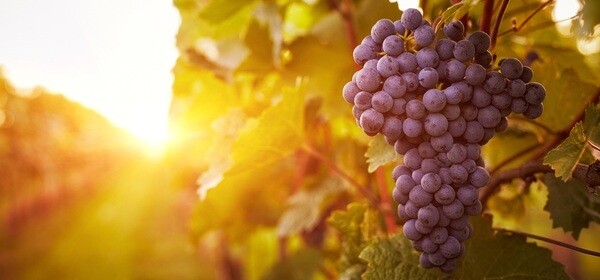
- Pinot Noir – Pinot noir features prominently among the finest, most exclusive wines of the world and as such, remains for many the noblest of all red varieties. Though its origins and most sought-after expressions lay in Burgundy, pinot noir is grown everywhere from the west coast of the U.S. to Central and Middle Europe to South Africa to New Zealand. A cool-climate varietal, it is generally suited to lighter styles and is one notoriously temperamental when growing to full ripeness.
When properly cultivated and vinified, however, pinot noir is redolent of a sublime array of aromas and flavours: cherry, raspberry, spice, mushroom, clove and hibiscus which, in the fullness of time, typically evolve into those of tea, leather, tobacco leaf, dried fruit and undergrowth. The brisk levels of acidity typically supporting these wonderful characteristics also make it an ultimate food pairing wine, going superbly as it does with all manner of cured meats, fowl, charcuterie, cheese.
- Syrah– Syrah and shiraz red wine is a true international varietal and one rendered in an array of styles and flavours. Styles ranging from fresher, medium to full-bodied reds in the Rhône (where the grape originates) to rich, ripe, jammier versions Down Under, where it is commonly known as shiraz. As for aromas and flavours, cooler-climate regions tend to render violet florals, pepper, liquorice, earthy, savoury olive fruit, whereas warmer conditions push the profile further into sweeter, black cherry fruit with plum, clove, baking spice, dark chocolate and coffee.
Furthermore, shiraz is a term that can be used as a stylistic reference for such riper, more opulent styles, and is therefore common in South African winemaking, for example. Syrah & shiraz red wine features prominently in France as a blending agent and is found in most appellations across Languedoc, southern Rhône and Roussillon. Appellations in the Northern Rhône such as Saint-Joseph, Cornas and Côte-Rôtie can only be 100% syrah.
- Carignan
A traditional Mediterranean grape, long associated with southern France and Spain, where it was once widely planted for high yields. When carefully managed, however, it can produce deeply coloured, characterful wines with notable intensity. Typically medium- to full-bodied, carignan shows flavours of dark berries, plum and spice, supported by firm tannins and bright acidity. Old-vine examples are particularly prized for their concentration and depth. Often used in blends, especially in the Languedoc and Roussillon, carignan brings structure and freshness, though it is increasingly appreciated as a standalone varietal.
- Cinsault
Cinsault is a light-bodied red grape known for its aromatic charm and soft, easy-drinking style. Widely grown in southern France, it is often used in blends to add perfume and suppleness, particularly in Rhône and Languedoc wines, as well as in Provence rosé. It offers delicate flavours of red cherry, strawberry and subtle spice, with low tannins and refreshing acidity. In warmer climates, such as South Africa, it can also produce expressive single-varietal wines. Cinsault’s approachable nature and bright fruit profile make it an appealing choice for those seeking lighter, more elegant reds.
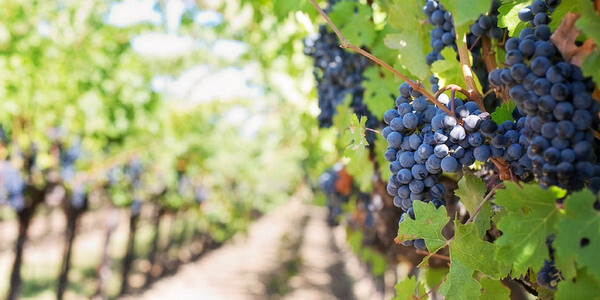
- Grenache – Originally of Spanish origin (where it is garnacha), grenache red wine is one of the world's more widely planted varietals and, being a late ripener, thrives in conditions hot and dry. It plays a major role across the entire south of France, featuring prominently in the wines of southern Rhône, Languedoc, Roussillon, Provence, and naturally in those across much of the Iberian Peninsula.
Generally high in alcohol content, it is peppery on the palate, redolent of red berry flavors and relatively low in both acidity and tannin. Grenache red wine is an all-rounder, more often blended, and makes for wonderfully food-friendly, rustic reds when in simpler form, whilst scaling more majestic heights in the world-class cuvées of Châteauneuf-du-Pape and Rioja.
- Tempranillo
Tempranillo is Spain’s flagship red grape, forming the backbone of some of the country’s most celebrated wines, particularly from Rioja and Ribera del Duero. It typically produces medium- to full-bodied wines with moderate acidity and smooth tannins, offering flavours of red cherry, plum, tobacco and leather, often complemented by vanilla and spice from oak ageing. Its name derives from temprano, meaning “early,” reflecting its relatively early ripening. Tempranillo combines approachability with structure, making it versatile both as a youthful, fruit-driven wine and in more complex, age-worthy styles.
- Malbec – This robust, thick-skinned, sun-loving varietal has become hugely popular in the UK for the rich, luscious, darkly-fruited wines it produces. And as the majority of these reds are produced in Argentina (in its Mendoza region, more specifically), Malbec red wine has since become synonymous with the country's viniculture.
These are deeply coloured, opulent, tannic reds, bursting with blackberry, plum, and blueberry flavours and usually accompanied by aromas of leather, smoke, and game. Thus its consummate popularity at the barbecue and in the steakhouse. Despite Argentina's dominance, however, Malbec red wine's original heartland is France, where these days its presence is rarely seen beyond Bordeaux and the Cahors appellation. Here, if not used as a blending agent, Malbec finds a fresher, more rustic, and less tannic expression, yet still producing full-bodied wines that pair quite deliciously with all manner of grilled red meats and charcuterie.
Finding a favourite varietal
Ultimately, finding preferred varietals will mainly depend on what wines stylistically cater to your palate. Start with what you know, then see what a bit of online research can render. Never be afraid to branch out into more obscure, ‘local’ varietals options you might stumble across. For example, if lighter to mid-weight, freshly styled reds are more your thing, two well-known starting points would be pinot noir or gamay. Look beyond these and you might discover such birds-of-a-feather as teroldego from northern Italy, Austria’s zweigelt or Iberia's mencia varietal from the south-east of Spain.
Or, if crisp, refreshing, mineral sauvignon blanc is what turns your crank, give albarino from Galicia in north-west Spain a go. Fancy rich, full-bodied chardonnay as a rule of thumb? Indulge in what unctuous, peachy, zesty, fruit-filled finishing a decent viognier or white Rhone blend has to offer.
The choice, of course, is yours, and is one that can be easily made here at Mr.Wheeler Wine. Start your exploration with the ‘Grape’ drop-down menu you’ll find when navigating ‘Wines’ on our main page. Then, with a little search-engine action, you’ll soon be on your way to broadening both your wine knowledge and palate with some delicious results.
-- David Adamick, Online, Mr.Wheeler Wine
MORE ARTICLES YOU MAY BE INTERESTED IN
Glassware Matters: Get The Most From Your Wine
So, what glass then? Which to ensure you get the most out of your wine from hereon in? Here, we’re going to break down some basics on wine...
READ ARTICLE >
Mar 04, 2026
A Comprehensive Guide to Wine Bottle Sizes
Split, Demi, Standard. Litre, Magnum, Double Magnum, Jeroboam. Methuselah, Salmanazar, Balthazar, Nebuchadnezzar. Melchior, Solomon, Sovereign,...
READ ARTICLE >
Jan 05, 2026