
The Complete Guide to Buying Wine with Confidence
Article published Mar 11, 2026
Buying wine can feel overwhelming at first. With thousands of varieties, unfamiliar terminology and shelves full of labels you may not recognise, it’s easy to feel unsure about where to start.
The good news is, you don’t need to become an expert. You just need a few fundamentals: how to read a label, which styles suit your palate, what tasting notes are actually telling you and where it’s worth spending your money. Everything else follows from there.
This buying wine guide walks you through everything you need to know, including
How to read a wine label
The best wine for beginners
Red wine for beginners and sweet wines for beginners
Key wine buying tips
How to interpret tasting notes
Whether you’re choosing a bottle for dinner, stocking your wine rack or exploring new styles, this guide will help you make more informed and enjoyable choices.
Why Learning How to Buy Wine Matters
Wine buying isn’t just about price or reputation. It’s about finding wines that suit your taste, the occasion, and the food you’re pairing them with.
When you understand a few fundamentals, buying wine becomes much easier. You’ll be able to:
Identify styles you enjoy
Understand wine labels and terminology
Interpret tasting notes more clearly
Choose wines with greater confidence in restaurants or shops
Over time, these small insights build into a deeper appreciation of wine and make the entire experience more enjoyable.
How to Read a Wine Label
One of the most useful wine buying tips is learning how to read a wine label. While labels may look complicated, they usually contain a few key pieces of information that can help guide your decision.
When browsing wine labels, you may notice a key difference between bottles from the Old World and the New World.
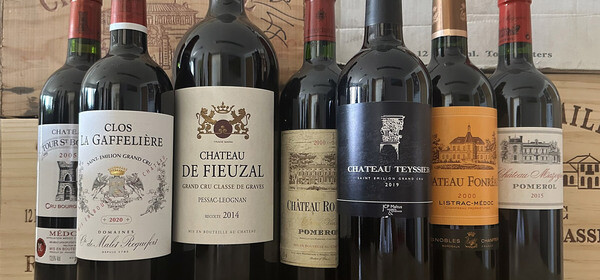
Region/Appellation
In traditional European wine regions — often called the Old World — labels usually highlight the place where the wine was made rather than the grape variety. Countries such as France, Italy and Spain follow long-established appellation systems, where wines are defined by their region and strict production rules. A label might therefore read Bordeaux, Chablis, or Rioja, without mentioning the grape. In these cases, the region itself implies which grapes are used.
By contrast, wines from the New World — including countries like Australia, United States, Chile and South Africa — are usually labelled more directly. These bottles typically display the grape variety prominently, such as chardonnay, cabernet sauvignon, or malbec, often alongside the region where the grapes were grown.
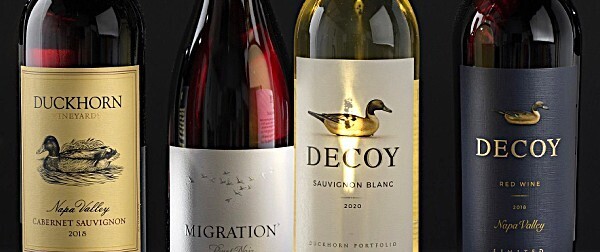
In simple terms: Old World labels emphasise place, while New World labels emphasise grape variety. Understanding this difference can make navigating wine shelves much easier for newcomers.
The region tells you where the wine was produced. In many cases, the location gives clues about style and flavour.
Understanding regional characteristics can help you predict whether a wine might be lighter, fuller-bodied, fruit-forward or more structured.
Alcohol Content
Generally speaking, cooler climates – Loire Valley, Chablis, Champagne, and Burgundy, for example – yield fruit with comparatively lower sugar levels (which sunlight and heat affect directly) and thus wines with lower levels of the alcohol that is the by-product of the fermentation process.
Conversely, wines from warmer climes – Languedoc, Rhône or Roussillon in the south of France, for example – will be typically higher in alcohol owing to the generous hours of sunshine those regions enjoy throughout the growing season.
What higher alcohol means is richness, fuller body, higher power and often longer length in a wine that will therefore be more suited to correspondingly robust, heartier food-pairings.
Grape Variety a.k.a. ‘Varietal’
You’ll more often hear this referred to as ‘grape varietal’. Naturally, all grape varietals have their particular flavour profiles, however within each will be shared certain characteristics with those of other varietals.
For example, the grassy aromas and apple and stone fruit aroma and flavours common typical of the sauvignon blanc grape can also be encountered in the lesser-known albariño varietal of Spain’s coastal northwest.
For a very handy, far more detailed breakdown of the more popular varietals from the wine world, check out our Complete Guide 2026.
Vintage
The vintage refers to the year the grapes were harvested. Weather conditions during that year can influence the style and quality of the wine.
Understanding vintages can help you identify particularly strong years for certain regions. If you want to explore this further, see our guide to wine vintages, which explains how different harvest years affect the character of the wine.
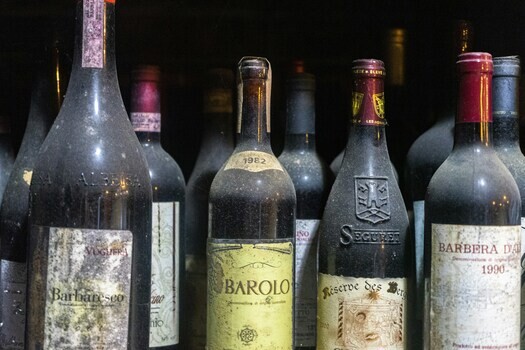
If you want to understand how harvest years affect wine quality, our Wine Vintages Guide explains how different vintages influence flavour, structure and ageing potential.
Best Wine for Beginners
There is no single right answer for the best wine for beginners, your palate is your own. It's helpful to start with approachable and balanced styles that showcase clear fruit flavours.
The best wine for beginners usually has:
Moderate acidity
Smooth tannins
Recognisable fruit notes
A balanced structure
Red Wine for Beginners
The reds that tend to click earliest are the ones with soft tannins and generous fruit. Popular choices include:
Merlot – Among the most versatile of red grapes and one easily cultivated, which accounts for it being the most widely grown of international varietals. Flavours commonly attributed to the grape range from plum, black cherry, and cocoa to blackberry, herbs, and graphite, often with notes of clove, cedar, and vanilla when oak-aged.
Try: 2024 Merlot, Beaubigney, Pays d'Oc
Pinot noir– Cherry, raspberry, spice, mushroom, clove and hibiscus which, in the fullness of time, typically evolve into those of tea, leather, tobacco leaf, dried fruit and undergrowth. The brisk levels of acidity typically supporting these wonderful characteristics also make it an ultimate food pairing wine, going superbly as it does with all manner of cured meats, fowl, charcuterie, cheese.
Try: 2024 Pinot Noir, Jaffelin, Vin de France
White Wine for Beginners
For whites, crisp, clean, youthful fruitiness makes for the most approachable style – one that is best unoaked.
New Zealand sauvignon blanc – Over the past 20 years, New Zealand has played a pivotal role in catapulting the varietal to international acclaim. Indeed, the cool climate and abundant sunshine of the southern island’s Marlborough region produces intensely aromatic wines bursting with zesty, tropical fruit flavours, fresh herbaceousness, and juicy acidity. As such, the ‘Kiwi’ style has since captivated global palates, driving the grape's popularity and establishing it as a staple among white wines of the world.
Try: 2023 River Garden Sauvignon Blanc, Greenhough, Nelson
Chardonnay (unoaked) – The creamy, orchard and citrus fruit aromas and flavours – with some peach and apricot emerging on the palate – makes a simple, unoaked chardonnay (chardonnay that’s been matured in stainless steel tank instead of oak barrel) a perfect place to start.
Try: 2024 Chardonnay, Jaffelin, Vin de France
Rosé Wine for Beginners
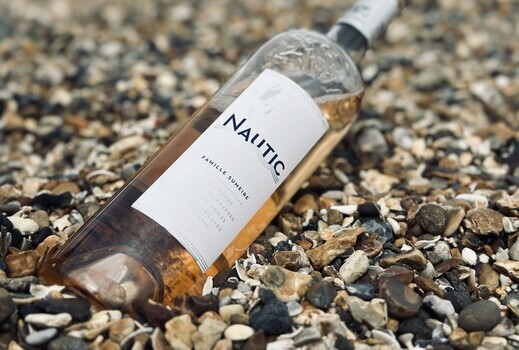
It’s not for nothing that Provençal-style rosé is by far the most popular today. Its pale salmon-pink hue, its fruity, aromatic elegance and zippy, mouth-watering, strawberry-and-summer-fruit palate make it too easy to drink – all year round.
Try: 2024 Nautic Rosé, Famille Sumeire, IGP Méditerranée
Understanding Wine Tasting Notes
Wine tasting notes are designed to describe what you might experience when smelling and tasting a wine. While they can sometimes seem overly technical, they’re simply a way of communicating a wine’s aromas, flavours, structure and overall character.
For anyone learning how to buy wine, understanding tasting notes can be extremely helpful. They allow you to quickly identify whether a wine is likely to suit your preferences before you even open the bottle.
What Do Wine Tasting Notes Describe?
Most wine tasting notes focus on a few key elements that define the wine’s personality. These include aroma, flavour, body, acidity, tannins and finish.
Aromas
These can range from fruity and floral to earthy or spicy notes. For example, a white wine might show aromas of citrus, green apple or blossom, while a red wine might display notes of cherry, plum or blackcurrant.
Flavours
Often, the flavours mirror the aromas but can also develop into more complex characteristics such as vanilla, chocolate, herbs or toasted oak depending on how the wine was produced.
Body
This refers to the weight or richness of the wine on your palate. Wines are typically described as light-bodied, medium-bodied or full-bodied. Lighter wines tend to feel fresher and more delicate, while fuller-bodied wines often feel richer and more intense.
Acidity
This gives the wine its freshness and vibrancy. Wines with higher acidity often taste crisp and refreshing, which is why many white wines feel particularly lively.
Tannins
These are mostly found in red wines and create a slightly drying sensation in the mouth. They come from grape skins and can influence how smooth or structured a wine feels.
Finally, the finish describes how long the flavours linger after you swallow. A longer finish often indicated greater complexity and quality.
It’s important to remember that tasting notes are subjective. Two people may notice slightly different flavours in the same wine, and that’s completely normal. Rather than trying to memorise complex terminology, focus on identifying what you personally enjoy. As you taste more wines, you’ll naturally start recognising patterns in the aromas and flavours you prefer.
If you’d like to explore this topic further, our Guide to Wine Tasting Notes explains in more detail how wines are evaluated and how professionals describe their flavour profiles.
Why Bottling Wine at Source Matters
One detail many wine buyers overlook is where the wine is bottled.
When wine is bottled at the winery where it was produced, it maintains better consistency and quality during transportation.
Bottling at source helps ensure the wine reaches the consumer exactly as the winemaker intended, protecting both flavour and authenticity.
Our article on Why Wine Bottled at Source is Better explains how this process helps preserve quality and maintain the winemaker’s intended character.
Additional Wine Buying Tips to Know
Buying wine becomes much easier once you understand a few of the fundamentals that influence how a wine tastes and how it’s enjoyed. Beyond grape varieties and regions, there are several other factors that can shape your overall wine experience.
Where and how you purchase wine can also influence the experience. In recent years, buying wine online has become increasingly popular thanks to the wider selection available and the ability to explore detailed tasting notes before making a choice.
Our recently updated account of how digital retail and wine apps have become such an integral part of our wine-buying process and appreciation — of how the last decade has been nothing short of a revolution in the way we engage with the world of wine.
Wine confidence also extends beyond buying bottles for home. Many people feel uncertain when choosing wine in restaurants, particularly when faced with long wine lists. Understanding a few simple principles around tasting and evaluating wine can make dining experiences much more enjoyable.
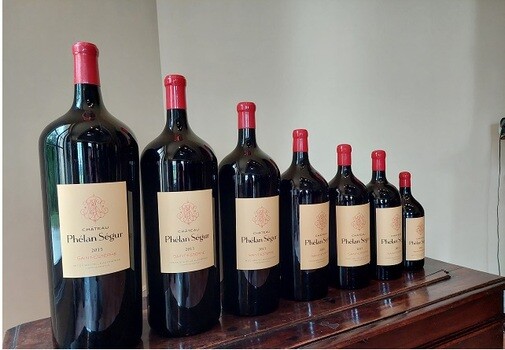
Finally, it’s worth remembering that the way wine is served can influence how much you enjoy it. Factors such as glass shape and bottle size can subtly affect aromas, flavour development, and the overall tasting experience. If you’d like to explore these aspects further, our guides on why wine glassware matters and wine bottle sizes explain how these details can enhance your enjoyment of wine.
Buy Wine with Confidence with Mr Wheeler Wine
Learning how to buy wine is something that develops over time. The more wine you explore, the easier it becomes to recognise the styles, regions and flavour profiles that appeal to you most.
Rather than focusing on finding the “perfect” bottle, the real enjoyment comes from discovering new producers, trying different varieties and building your understanding of what makes each wine unique.
At Mr Wheeler Wine, the focus is on carefully sourcing wines that offer both quality and character, making it easier to explore a range of styles with confidence. Whether you’re looking for an approachable bottle to start your journey or something new to expand your palate, the right wine is often just a discovery away.
Explore the full range at Mr Wheeler Wine today and continue discovering wines that suit your taste.
MORE ARTICLES YOU MAY BE INTERESTED IN
Wine Varietals: Complete Guide 2026
READ ARTICLE >
Apr 22, 2026
Glassware Matters: Get The Most From Your Wine
So, what glass then? Which to ensure you get the most out of your wine from hereon in? Here, we’re going to break down some basics on wine...
READ ARTICLE >
Mar 04, 2026
A Comprehensive Guide to Wine Bottle Sizes
Split, Demi, Standard. Litre, Magnum, Double Magnum, Jeroboam. Methuselah, Salmanazar, Balthazar, Nebuchadnezzar. Melchior, Solomon, Sovereign,...
READ ARTICLE >
Jan 05, 2026